
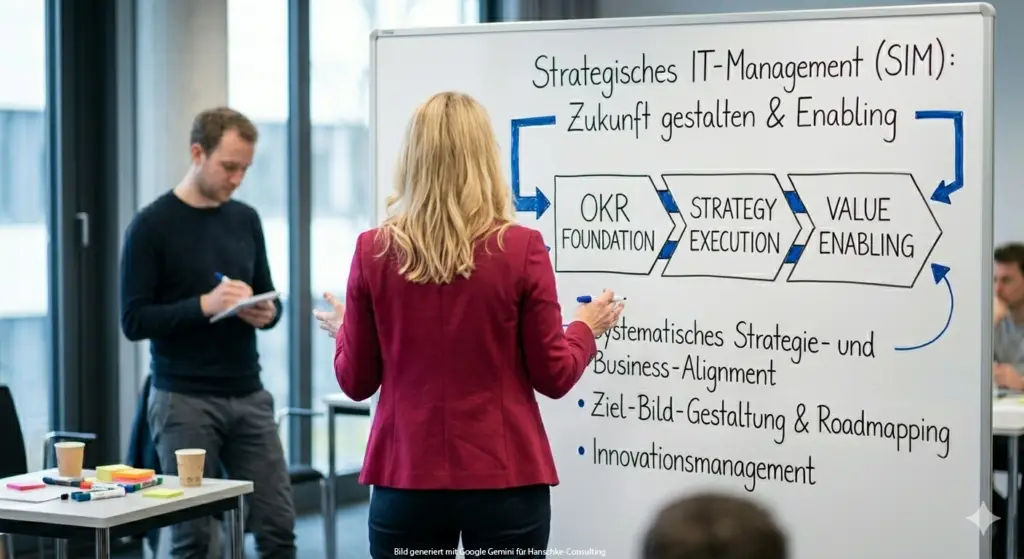
Strategic IT Management (SIM)

Shaping the Future

Enabling & Securing the Future

IT isn't just a cost center—it's your most important strategic asset.

In a volatile market environment, it is no longer enough to simply keep IT “up and running.” Today, strategic IT management means positioning and establishing IT as a proactive shaper of the company’s future. Together with Inge Hanschke and her network of experts, you can transform your IT from a support function into a true business enabler.

We help you turn your vision into measurable results—with a focus on three key pillars:

Aligning IT with business strategy

Bringing business and IT strategies to life and putting them into practice

Experimentation and continuous learning as the key to the future

IT Strategy Development

Goal: Align IT strategically with the business

Developing or adapting the IT strategy to changing business drivers and market conditions

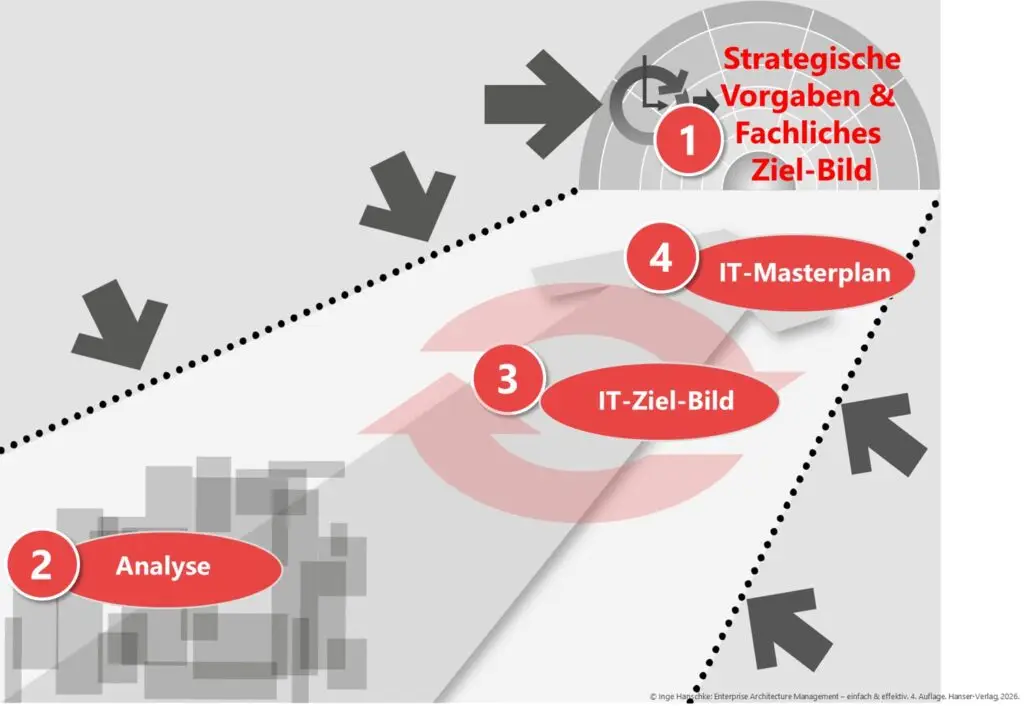
Analyze – Design – Implement

  1. Analysis of all aspects of an IT strategy: assessment of the current situation and positioning, including vision and mission
  2. Design of the target state, roadmap, and management tools
  3. Implementation through organization and processes, and integration of measures into lean and IT portfolio management
Business-IT Alignment, Enabling & Organization 4.0

Goal Visualization & Roadmapping

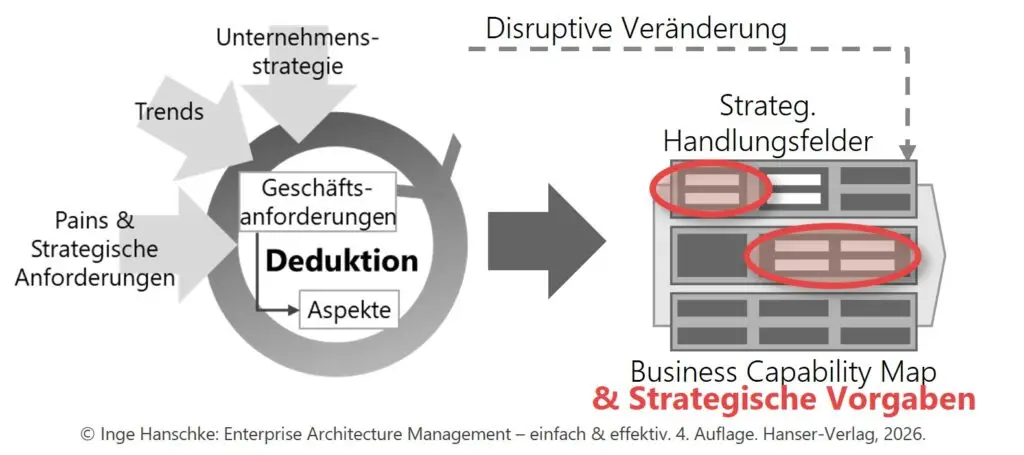
Objective: Bring business and IT strategies to life and put them into practice (Strategy-to-Masterplan): Align IT with corporate goals and business requirements, and prepare it for the constant changes within the company and its market environment

Align IT with corporate goals and business needs, and prepare it for the constant changes within the company and its market environment.

The technical target vision, derived from corporate strategy, trends, and business requirements, serves as the framework for strategic IT planning. As part of strategic IT planning, the target IT landscape and the IT roadmap for implementation are designed based on strategic guidelines and current needs for action (“pains”).

  1. Business Drivers & Framework
  2. Comprehensive Analysis -> Areas of Action
  3. Develop a Vision and Roadmap
  4. Plan the transformation

Includes 2 sets of 2-day workshops, each with preparatory and follow-up sessions focused on your vision and roadmap

Bringing a systematic and lean strategy to life - Use the proven, simple, and effective best practices to define your vision and roadmap

Lean Innovation Management

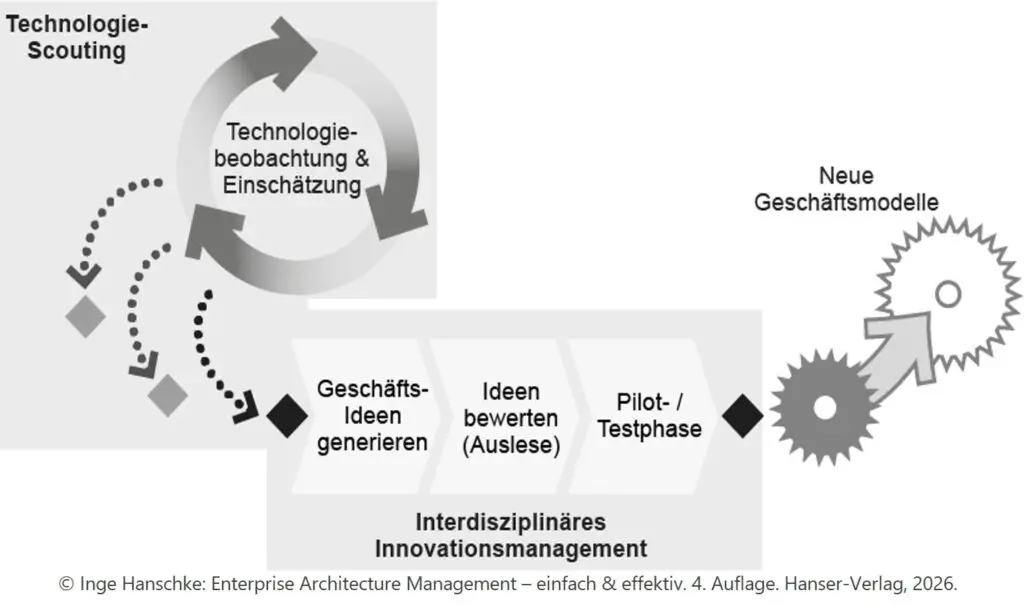
Experimentation and continuous learning as the key to the future within the framework of systematic and interdisciplinary innovation management

Design, implement, or streamline your interdisciplinary innovation management system, including trend scouting, innovation monitoring, and design thinking workshops.

Establishing innovation processes to identify relevant topics and trends, initiate and execute innovation projects, bring relevant innovations to market, and embed them within the organization.

Complete an innovation management quick start to identify the steps you need to take to establish or embed your innovation management system. Then, continuously expand your innovation management system, including operationalizing its implementation (e.g., MVP, Lean Startup, and a culture of trial and error).

  • Quick Start: Lean Innovation Management in 2 Half-Day Workshops as a Starting Point
  • Expansion: Assessing, embedding, or applying Lean principles to your existing innovation management system, including operationalizing the implementation (e.g., MVP, Lean Startup, and a culture of error and learning)
Establishing Innovation Management Quickly and Effectively

Simple & effective: take the next step

Talk to us about the challenges you’re currently facing and find the right support for your project